If you work in drinking water treatment, PFAS has probably already come up in your staff meetings, your certification prep resources, or both. These "forever chemicals" are everywhere, in the news, in our source water, and increasingly in our regulatory obligations. The EPA finalized enforceable drinking water standards in April 2024, and since then, the regulatory picture has been in constant motion. Standards are being challenged in court. Compliance deadlines are shifting. States are writing their own rules. And treatment technology decisions that used to be hypothetical are now capital budget line items.
I wrote this article because I wanted to understand the full picture myself, and I think sharing what I learned might save you some time. We'll cover where the regulations stand right now (March 2026), what treatment technologies actually work, what's coming down the pipeline in terms of PFAS destruction, and what you and I need to be thinking about as operators and water professionals. Let's get into it.
What Are PFAS and Why Are They in Drinking Water?
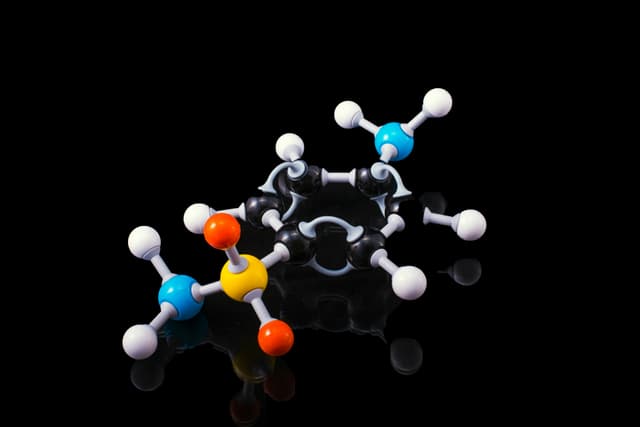
PFAS (per- and polyfluoroalkyl substances) are a family of over 14,000 synthetic compounds built around carbon-fluorine bonds - the strongest bond in organic chemistry. They are found in drinking water sources nationwide due to decades of use in firefighting foams, nonstick coatings, and industrial processes. PFAS don't break down naturally, resist conventional water treatment, and bioaccumulate in human tissue.
PFAS stands for per- and polyfluoroalkyl substances. There are over 14,000 individual compounds in this family. What they all share is the carbon-fluorine bond, the strongest bond in organic chemistry. That's what makes PFAS so useful in nonstick coatings, stain-resistant fabrics, and firefighting foams. It's also what makes them a nightmare for us.
They don't break down. They dissolve in water. They bioaccumulate. And here's the part that matters most for treatment operators: conventional treatment doesn't touch them. Coagulation, flocculation, sedimentation, and standard filtration do not remove PFAS in any meaningful way. You need dedicated advanced treatment, and which technology you choose depends heavily on which PFAS compounds you're targeting and what your source water looks like.
One more thing worth knowing: some standard disinfection processes can actually create PFAS problems. Research has shown that chlorination and ozonation can generate PFOA and PFOS from polyfluoroalkyl precursor compounds[1]. If your source water has precursors in it, your treatment train might be converting them into the very compounds you're now regulated to remove. That's the kind of detail that should make every operator sit up a little straighter.
Chlorination and ozonation can convert polyfluoroalkyl precursor compounds into PFOA and PFOS. If your source water contains precursors, your existing disinfection process may be generating the very PFAS compounds you are now regulated to remove. Characterize your source water for precursors before finalizing treatment design.
What Are the Current EPA Drinking Water Regulations for PFAS?
As of March 2026, the EPA has set enforceable Maximum Contaminant Levels (MCLs) of 4 parts per trillion (ppt) for PFOA and PFOS, with compliance extended to 2031. MCLs of 10 ppt for PFHxS, PFNA, and GenX plus a Hazard Index for mixtures remain technically in effect but are under active legal challenge in the D.C. Circuit Court of Appeals, with a merits decision expected in the second half of 2026.
I'm going to walk through this chronologically, because understanding how we got here matters for understanding where we're going.
What PFAS Limits Did the EPA Set in April 2024?
In April 2024, the EPA finalized the first-ever National Primary Drinking Water Regulation for PFAS. It set legally enforceable MCLs for six compounds:
- PFOA and PFOS at 4 parts per trillion (ppt), with MCLGs of zero.
- Four additional compounds, PFHxS, PFNA, HFPO-DA (GenX), and PFBS, got individual MCLs of 10 ppt, plus a new Hazard Index approach for evaluating mixtures.
The compliance deadline was 2029 for MCLs and 2027 for initial monitoring.
Four parts per trillion. To put that in perspective, that's roughly equivalent to four drops of water in an Olympic-sized swimming pool. We're talking about detection and removal at extraordinarily low concentrations. The rule was immediately challenged in court by AWWA, AMWA, and industry groups who argued the EPA hadn't followed proper SDWA processes and had underestimated the costs.
How Did the EPA Change the PFAS Rule in 2025?
Under the new administration, EPA Administrator Lee Zeldin announced in May 2025 that the agency would keep the 4 ppt MCLs for PFOA and PFOS but push the compliance deadline back two years to 2031. That part was welcome news for utilities scrambling to plan and fund treatment upgrades.
Even more notable was the EPA's announcement of its plan to rescind the MCLs for PFHxS, PFNA, GenX, and the Hazard Index mixture. The rationale was that the regulatory determinations for those four compounds needed to be reconsidered under proper SDWA procedures. EPA also announced plans to build a federal exemption framework and launched the PFAS OUTreach Initiative. On the enforcement side, the agency retained its CERCLA designation of PFOA and PFOS as hazardous substances, signaling a "polluter pays" approach meant to protect utilities from footing the entire bill.
What Did the D.C. Circuit Rule on PFAS in January 2026?
This is where it gets interesting. In September 2025, the EPA requested the D.C. Circuit Court of Appeals to vacate the four Hazard Index compounds from the rule. However, on January 21, 2026, the court rejected that request. The decision was straightforward; the court found that the parties' positions weren't sufficiently clear to justify summary action. The court set a briefing schedule that ran through March 6, 2026, with the case now heading to a full merits panel. A decision is expected in the second half of this year. What this means in practical terms is that the full six-PFAS rule remains in effect today. EPA has not issued a final rule changing the drinking water regulations. Until the court rules, or EPA completes its own rulemaking, all six MCLs are technically still on the books.
If you're trying to plan a treatment upgrade right now, you can see the problem. Are you designing for two compounds or six? For a 4 ppt target or a Hazard Index calculation? Nobody has a definitive answer yet, and that's creating real headaches for utilities making capital decisions.
| Compound | MCL (ppt) | MCLG (ppt) | Status | Notes |
|---|---|---|---|---|
| PFOA | 4 | 0 | Retained | Compliance extended to 2031 |
| PFOS | 4 | 0 | Retained | Compliance extended to 2031 |
| PFHxS | 10 | 10 | In Dispute | Court denied EPA's vacatur request |
| PFNA | 10 | 10 | In Dispute | Court denied EPA's vacatur request |
| HFPO-DA (GenX) | 10 | 10 | In Dispute | Court denied EPA's vacatur request |
| PFBS | HI Only | HI Only | In Dispute | Part of Hazard Index mixture MCL |
What Are California's PFAS Drinking Water Requirements?
California requires water systems to meet notification levels of 4.0 ppt for PFOA and PFOS, 3.0 ppt for PFHxS, and 1,000 ppt for PFHxA, with response levels of 10 ppt for PFOA, 40 ppt for PFOS, 10 ppt for PFHxS, and 10,000 ppt for PFHxA. In December 2025, DDW issued a General Order requiring community water systems to begin initial PFAS monitoring, effectively enforcing the federal timeline regardless of the rule's legal status.
I work at a water treatment plant in California, so this section matters to me personally. California's drinking water law requires the state to be at least as stringent as federal standards, and the legislature has stated its intent to be more protective than the federal minimums. That's not just language, it's backed up with action.
In October 2025, the Division of Drinking Water issued updated notification and response levels for four PFAS compounds.
Notification Levels:
- PFOA and PFOS - 4.0 ppt
- PFHxS - 3.0 ppt
- PFHxA - 1,000 ppt
Response Levels:
- PFOA - 10 ppt
- PFOS - 40 ppt
- PFHxS - 10 ppt
- PFHxA - 10,000 ppt
These aren't enforceable MCLs, but if you exceed them, you're triggering public notification requirements and potentially pulling sources from service. That's a big deal operationally.
Then in December 2025, DDW issued a General Order requiring community and nontransient-noncommunity water systems to begin initial PFAS monitoring. Systems that complete this monitoring will also satisfy the federal NPDWR's initial monitoring requirements. Essentially, California is forcing compliance with the federal monitoring timeline regardless of what happens with the rule itself.
California's December 2025 General Order means community water systems must begin PFAS monitoring now, regardless of the federal rule's legal status. Completing this monitoring also satisfies federal NPDWR initial monitoring requirements. Check with your state drinking water program for similar orders in your jurisdiction.
The state has also been running a free PFAS testing program for roughly 3,600 drinking water wells in disadvantaged communities, screening for 25 compounds using EPA Method 533. Based on monitoring data collected since 2019, about 130 public water systems serving approximately 9.7 million people are impacted with PFHxS alone. That's one compound, one state. The scale of this issue is hard to overstate.
If you're a water professional outside California, don't assume this doesn't apply to you. Many states are developing their own notification levels, response levels, or outright MCLs. Check with your state drinking water program. The patchwork is expanding.
What Treatment Technologies Remove PFAS from Drinking Water?
The three EPA-designated Best Available Technologies for PFAS removal are granular activated carbon (GAC), ion exchange (IX), and reverse osmosis/nanofiltration (RO/NF). GAC excels at long-chain PFAS like PFOA and PFOS. IX achieves 94-99% removal across all six regulated compounds. RO/NF provides approximately 99% removal regardless of chain length. Many utilities are now deploying hybrid GAC + IX treatment trains for comprehensive coverage.
The EPA designated three Best Available Technologies for PFAS removal, granular activated carbon (GAC), ion exchange (IX), and reverse osmosis/nanofiltration (RO/NF). Each one has real strengths and real limitations. I want to walk through them honestly, because the decision of which technology to deploy, or which combination, will define capital budgets at utilities across the country for the next decade.
How Does Granular Activated Carbon Remove PFAS?
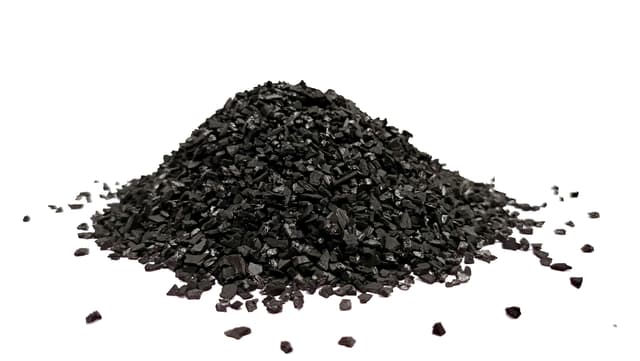
GAC is the workhorse. It's the most widely deployed and most studied option for PFAS removal. The carbon provides a massive internal surface area, and PFAS compounds adsorb onto it through a combination of hydrophobic and electrostatic interactions. If you've worked in water treatment for any length of time, you've probably already worked with GAC in some capacity. It's the same technology we use for taste and odor, DBP precursor removal, and SOC control.
GAC does an excellent job on long-chain PFAS like PFOA and PFOS. Where it struggles is short-chain compounds. Shorter-chain PFAS break through faster because hydrophobic interactions are weaker, meaning the carbon saturates sooner and leads to replacing media more frequently. If your source water has significant short-chain contamination, GAC alone may not be enough.
There's a nice co-benefit worth mentioning: a study of 19 community water systems that installed GAC for PFAS treatment found average reductions of 42% for total trihalomethanes and 50% for haloacetic acids[2]. So when you're building the business case for a GAC installation, the DBP reduction is a real, quantifiable bonus that strengthens the argument.
GAC installations for PFAS treatment deliver measurable co-benefits: a study of 19 community water systems showed average reductions of 42% for total trihalomethanes and 50% for haloacetic acids. When building a business case for PFAS treatment, these DBP reductions represent additional regulatory compliance value that strengthens the financial justification.
Spent GAC can be thermally reactivated at 1,200°C to 1,400°C, which drives off the PFAS and restores the carbon for reuse. That reactivation process effectively destroys the PFAS, making GAC potentially a destructive technology, not just a separation technology, if we consider the full lifecycle.
How Does Ion Exchange Remove PFAS from Water?
Ion exchange uses positively charged anion exchange resin beads to attract and capture negatively charged PFAS ions from solution. The PFAS-selective single-use resins that have come onto the market in recent years are impressive[3]. They can now offer higher loading capacity per pound than GAC because the removal mechanism combines hydrophobic attraction and electrostatic ion exchange.
The footprint advantage is significant. The IX system typically takes up about one-quarter the space of a comparable GAC system. IX generally outperforms GAC on short-chain compounds, with EPA-demonstrated removal rates of 94-99% for the six regulated PFAS[3]. And because single-use resins aren't regenerated on-site, there's no contaminant waste stream from regeneration to manage.
However, there are downsides to consider. The resins cost more per unit volume than carbon. They're sensitive to oxidants (chlorine will degrade them) so you need dechlorination and prefiltration upstream. Removal performance is pH-dependent, with better results at lower pH. And when the resin is spent, it has to go somewhere. Currently, that means incineration or landfill, both of which have their own regulatory and cost considerations. An additional operational consideration is that common background anions such as sulfate, nitrate, and chloride are found in source water at concentrations approximately 1,000 times greater than PFAS. These anions compete for exchange sites on the resin.
How Effective Are RO and Nanofiltration for PFAS Removal?
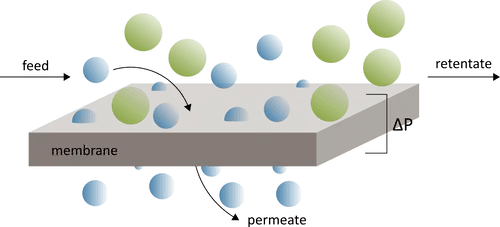
If you need the most comprehensive PFAS removal across all chain lengths, RO and NF are it. These high-pressure membrane processes push water through semipermeable membranes that physically reject PFAS compounds, achieving approximately 99% removal[4] regardless of chain length or source water chemistry. Membrane lifespans are about 10 years.
The catch is the waste stream. RO recovery rates are typically 70-90%[5], meaning 10-30% of your feed water comes out the other side as reject containing 4 to 8 times the original PFAS concentration. That concentrate needs secondary treatment (usually GAC or IX) before disposal. You're also looking at post-treatment remineralization, higher energy costs from the pressure requirements, and more complex pre-treatment. All of this adds up. RO/NF tends to make the most sense for smaller systems or point-of-use applications where the comprehensive removal justifies the higher per-gallon cost.
| Factor | GAC | IX | RO/NF | GAC + IX Series |
|---|---|---|---|---|
| Long-Chain Removal | Excellent | Excellent | Excellent | Excellent |
| Short-Chain Removal | Limited | Good to Excellent | Excellent | Excellent |
| Footprint | Large | ~1/4 of GAC | Moderate | Moderate |
| Capital Cost | Moderate | Moderate-High | High | Higher |
| Waste Stream | Spent carbon (reactivatable) | Spent resin (dispose) | Concentrated brine | Spent carbon + resin |
| DBP Co-Benefits | Significant | Some | Comprehensive | Significant |
| Pre-Treatment Needs | Minimal | Dechlor. + filtration | Extensive | Moderate |
The trend I'm seeing across the industry is a move toward hybrid treatment trains. The most common are those that use GAC up front to knock out organics and long-chain PFAS, followed by IX to catch the short-chain compounds that break through the carbon. This approach plays to each technology's strengths and covers the other's blind spots. It's not cheap, but it's effective across the full range of regulated compounds.
Hybrid GAC + IX treatment trains are becoming the industry standard for PFAS compliance because they combine each technology's strengths: GAC removes long-chain PFAS and DBP precursors up front, while IX polishes for short-chain compounds that break through carbon. This layered approach provides comprehensive coverage across all six currently regulated PFAS compounds.
Can PFAS Be Permanently Destroyed?
Yes - three PFAS destruction technologies have reached commercial deployment: electrochemical oxidation (EO), supercritical water oxidation (SCWO), and hydrothermal alkaline treatment (HALT). All three break the carbon-fluorine bond permanently, converting PFAS into harmless byproducts. None are EPA-approved for direct drinking water treatment yet, but they are commercially used on treatment residuals, AFFF waste, and concentrated waste streams.
Everything we just talked about thus far, GAC, IX, and RO, is separation technology. We're pulling PFAS out of the water, but we're not destroying it. We're concentrating it onto carbon, into resin, or into brine, and then we have to deal with that waste. As long as the PFAS still exists, it's our problem. This is why destruction technologies matter. The goal is to break the carbon-fluorine bond permanently and turn PFAS into something harmless.
Three technologies have reached commercial deployment. None of them are EPA-approved for direct drinking water treatment yet, but they're being used on treatment residuals, AFFF waste, and concentrated waste streams. This is where the industry is heading.
How Does Electrochemical Oxidation Destroy PFAS?
EO uses an electric current between an anode and a cathode to generate powerful oxidants like hydroxyl and sulfate radicals, which attack and degrade PFAS molecules. It operates at ambient temperature and pressure, which makes it safer and operationally simpler than thermal alternatives. It's become the most commercially deployed destruction technology, primarily because it integrates well with IX systems for treating spent regenerant.
EO has shown greater than 90% reduction of targeted PFAS[6] in pilot settings. The limitations are that it struggles with complete short-chain destruction, electrode materials degrade over time, and electrical costs are high. A 60-day pilot study by Hazen and Sawyer[7], the longest continuous EO study to date, is testing electrode longevity on real drinking water treatment residuals. That data will matter.
What Is Supercritical Water Oxidation for PFAS?
This one is fascinating from a chemistry perspective. Heat water above 374°C at pressures above 218 atmospheres, and it enters a supercritical state, not quite liquid, not quite gas, where organic solubility skyrockets and oxidation reactions accelerate dramatically. PFAS compounds that are essentially indestructible under normal conditions break down in seconds under these conditions.
Three separate demonstration studies on AFFF waste showed greater than 99% destruction of total targeted PFAS[8]. The reaction kinetics are fast, which means smaller reactors. The downside is PFAS destruction under supercritical conditions generates hydrofluoric acid and fluoride salts, both of which are extremely corrosive. Reactor materials take a beating, maintenance costs are high, and energy inputs are substantial. SCWO makes the most sense for concentrated waste streams like AFFF, not dilute drinking water.
What Other PFAS Destruction Technologies Are Emerging?
HALT uses elevated temperatures under alkaline conditions to break down PFAS. It's commercially deployed alongside EO and SCWO, with demonstrated ability to fully destroy PFAS compounds[9]. It requires caustic addition, which adds operational complexity.
Beyond these three, there's a whole pipeline of emerging technologies still working through pilot and lab stages[10]:
- Plasma arc technology running at 5,000°C+
- Sonolysis using ultrasonic cavitation
- Photocatalysis with UV and chemical additives
- Electron beam irradiation
None are ready for full-scale drinking water applications yet, but they represent the second generation of destruction innovation. The carbon-fluorine bond is the strongest in organic chemistry, and we're steadily developing more ways to crack it.
What Should Water Treatment Professionals Do About PFAS Now?
Water treatment professionals should take six immediate steps: monitor the D.C. Circuit court case for the merits decision expected in late 2026, begin PFAS monitoring of source water using EPA Methods 533 or 537.1, characterize source water before selecting treatment technology, quantify GAC and IX co-benefits for DBP reduction, plan for treatment waste management, and pursue available federal and state funding through the Bipartisan Infrastructure Law and Drinking Water State Revolving Fund.
I'll be direct. The regulatory uncertainty is frustrating, but it's not an excuse to wait. Here's what I think matters most for water treatment professionals right now.
Watch the D.C. Circuit case. The briefing wrapped up on March 6, 2026. A merits decision is expected in the second half of this year. That ruling will determine whether we're planning for two regulated PFAS or six, and whether the Hazard Index approach survives. If you're involved in treatment planning at your utility, this is the single most important thing to track.
The D.C. Circuit merits decision on the PFAS rule is expected in the second half of 2026. This single ruling will determine whether utilities must plan for two regulated compounds or six. If you are involved in capital planning, track this case closely - it will define the scope and cost of your treatment upgrade.
Don't wait for federal clarity to start monitoring. States aren't waiting. California has already issued monitoring orders. Many other states have their own notification or response levels. And the UCMR 5 monitoring program, covering 29 PFAS compounds across public water systems from 2023 through 2025, is roughly 95% complete. That data will drive future regulatory decisions. If you don't know what's in your source water, you're behind.
Know your source water. Not every system needs dedicated PFAS treatment. Source water characterization is step one. If your sources are clean, your compliance path might be monitoring and reporting rather than a capital project. If PFAS is present, the specific compounds and concentrations will dictate which technology makes sense. Don't let anyone sell you a treatment system before you have that data.
Quantify the co-benefits. When you're building a business case for PFAS treatment, don't forget that GAC and IX installations also reduce DBP precursors. The THM and HAA reductions are measurable and meaningful. That's not a side benefit...it's additional regulatory compliance value that strengthens your justification.
Think about waste from day one. Every PFAS separation technology creates a waste product such as spent carbon, exhausted resin, or concentrated brine. EPA hasn't finalized requirements for how to manage these wastes, and that's a regulatory gap that will eventually close. Plan for it now. The destruction technologies we discussed, EO, SCWO, HALT, exist specifically to solve this problem, and they're maturing quickly.
Look for funding. The Bipartisan Infrastructure Law allocated $9 billion for emerging contaminants through the Drinking Water State Revolving Fund. California and other states have additional programs. If your system serves disadvantaged communities, there may be free testing and financial assistance available. Talk to your state drinking water program.
What's Next for PFAS Regulations and Treatment?
The D.C. Circuit's merits decision will be the biggest PFAS development of 2026. If the full rule survives, utilities are planning for six compounds and a Hazard Index. If the court sides with EPA on partial rescission, we're back to two compounds at the federal level, with states picking up the slack. Either way, PFOA and PFOS at 4 ppt aren't going anywhere. That much is settled.
On the technology side, the industry has advanced faster than I expected. GAC, IX, and RO/NF are proven and commercially available. Treatment trains combining GAC and IX are becoming standard practice. And the destruction technologies are transitioning from lab demonstrations to commercial deployment. We're not just separating these compounds from water anymore. We are now learning how to break them down for good.
For those of us in the trenches...the operators running the plants, the engineers designing the upgrades, the managers juggling budgets and timelines, PFAS competency isn't optional anymore. It's showing up on certification exams, in job descriptions, and in the conversations that determine who gets promoted and who gets left behind. The professionals who invest the time to understand this topic now are the ones who will be leading the response as it unfolds.
I'll continue covering PFAS developments on H2oCareerPro.com as the regulatory and technology landscape evolves. If you found this useful, I'd appreciate you sharing it with a colleague. We're all in this together.
Disclaimer: This article is for educational and informational purposes. Regulatory requirements vary by jurisdiction and are actively changing. Consult official EPA, state, and local regulatory sources for current compliance obligations. Nothing here constitutes legal, engineering, or regulatory advice.
Frequently Asked Questions
What are PFAS and why are they called "forever chemicals"?
PFAS (per- and polyfluoroalkyl substances) are a family of over 14,000 synthetic compounds built around carbon-fluorine bonds - the strongest bond in organic chemistry. They are called "forever chemicals" because they do not break down naturally in the environment, resist conventional water treatment, dissolve readily in water, and bioaccumulate in human tissue. Their persistence is what makes them both industrially useful and environmentally hazardous.
What are the current EPA drinking water limits for PFAS?
As of March 2026, the EPA has set enforceable Maximum Contaminant Levels (MCLs) of 4 parts per trillion (ppt) for PFOA and PFOS, with compliance extended to 2031. MCLs of 10 ppt for PFHxS, PFNA, and HFPO-DA (GenX), plus a Hazard Index for mixtures including PFBS, remain technically in effect but are under active legal challenge in the D.C. Circuit Court of Appeals.
What is the best treatment technology for removing PFAS from drinking water?
The three EPA-designated Best Available Technologies are granular activated carbon (GAC), ion exchange (IX), and reverse osmosis/nanofiltration (RO/NF). The best choice depends on your source water: GAC excels at long-chain PFAS like PFOA and PFOS, IX achieves 94-99% removal across all six regulated compounds, and RO/NF provides ~99% removal regardless of chain length. Many utilities are deploying hybrid GAC + IX treatment trains for comprehensive coverage.
Can PFAS be permanently destroyed rather than just removed from water?
Yes. Three PFAS destruction technologies have reached commercial deployment: electrochemical oxidation (EO), supercritical water oxidation (SCWO), and hydrothermal alkaline treatment (HALT). All three break the carbon-fluorine bond permanently. None are EPA-approved for direct drinking water treatment yet, but they are commercially used on treatment residuals, AFFF waste, and concentrated waste streams.
How does California's PFAS regulation differ from the federal EPA rule?
California has set its own notification and response levels for four PFAS compounds, including a notification level of 3.0 ppt for PFHxS (lower than the federal MCL of 10 ppt). In December 2025, California's Division of Drinking Water issued a General Order requiring community water systems to begin PFAS monitoring, effectively enforcing the federal timeline regardless of the rule's legal status. California law requires the state to be at least as stringent as federal standards.
What happened to the EPA PFAS rule in the D.C. Circuit Court?
In September 2025, the EPA requested the D.C. Circuit to vacate the MCLs for PFHxS, PFNA, GenX, and the Hazard Index. On January 21, 2026, the court rejected that request, finding the parties' positions weren't sufficiently clear. The court set a briefing schedule through March 6, 2026, with the case heading to a full merits panel. A decision is expected in the second half of 2026. All six MCLs remain in effect until the court rules.
What funding is available for PFAS treatment at water utilities?
The Bipartisan Infrastructure Law allocated $9 billion for emerging contaminants through the Drinking Water State Revolving Fund. California and other states have additional programs, including free PFAS testing for disadvantaged communities. The EPA has retained CERCLA designation of PFOA and PFOS as hazardous substances, supporting a "polluter pays" approach that may help offset utility costs. Contact your state drinking water program for specific funding opportunities.
Studying for the T-5 Exam?
PFAS and the regulations surrounding it touch several T-5 exam topics. If you are preparing for the California T-5 water treatment operator exam, these free study guides cover the regulatory foundation behind what we just discussed.
- Title 22 Chapter 15 Study Guide — California primary MCLs, including the state's PFAS notification and response levels.
- SDWA Fundamentals Study Guide — The regulatory framework (MCL vs MCLG, primary vs secondary) that underpins every PFAS standard.
- Lead and Copper Rule Study Guide — Corrosion control and treatment-change coordination that often overlap with PFAS GAC/IX retrofits.
References
- Xiao, F., Hanson, R.A., Golovko, S.A., Golovko, M.Y., & Arnold, W.A. (2018). "PFOA and PFOS Are Generated from Zwitterionic and Cationic Precursor Compounds During Water Disinfection with Chlorine or Ozone." Environmental Science & Technology Letters, 5(6), 382-388. https://pubs.acs.org/doi/10.1021/acs.estlett.8b00266
- "PFAS Treatment as an Opportunity for Broader Drinking Water Improvements." (2025). ACS ES&T Water. https://pubs.acs.org/doi/10.1021/acsestwater.5c00519
- U.S. EPA (2024). "Best Available Technologies and Small System Compliance Technologies for the PFAS National Primary Drinking Water Regulation." EPA Document No. 815-R-24-011. https://www.epa.gov/system/files/documents/2024-04/2024-final-pfas-bat-ssct_final-508.pdf
- U.S. EPA (2024). "Best Available Technologies" (Tables 12-13: RO/NF removal efficiencies >99% for PFOA and PFOS). See Reference [3].
- U.S. EPA (2024). "Treatment Options for Removing PFAS from Drinking Water." April 2024 Fact Sheet. https://www.epa.gov/system/files/documents/2024-04/pfas-npdwr_fact-sheet_treatment_4.8.24.pdf
- Smith, S.J. et al. (2023). "Electrochemical Oxidation for Treatment of PFAS in Contaminated Water and Fractionated Foam-A Pilot-Scale Study." ACS ES&T Water. https://pubs.acs.org/doi/10.1021/acsestwater.2c00660 Also see: PMC review of electrochemical PFAS degradation. https://pmc.ncbi.nlm.nih.gov/articles/PMC11534010/
- Hazen and Sawyer (2025). "Electrochemical Oxidation Pilot Study Explores New Frontiers for PFAS Destruction." https://www.hazenandsawyer.com/projects/electrochemical-oxidation-pilot-study-explores-new-frontiers-for-pfas-destruction
- Krause, M.J. et al. (2022). "Supercritical Water Oxidation as an Innovative Technology for PFAS Destruction." Journal of Environmental Engineering, 148(2). https://pmc.ncbi.nlm.nih.gov/articles/PMC10428202/
- Interstate Technology and Regulatory Council (ITRC). "PFAS Technical and Regulatory Guidance: Section 12 - Treatment Technologies." https://pfas-1.itrcweb.org/12-treatment-technologies/
- Tassadaq, S. et al. (2025). "Technology status to treat PFAS-contaminated water and limiting factors for their effective full-scale application." npj Clean Water. https://www.nature.com/articles/s41545-025-00457-3
© 2026 H2oCareerPro.com - Water Treatment Technology Intelligence. All rights reserved.
Last updated: March 2026. Sources include U.S. EPA, California State Water Resources Control Board, AWWA, AMWA, D.C. Circuit Court filings, and peer-reviewed literature.